
As the wheel of the year turns toward autumn’s depth, we enter a season that has long been recognized as a threshold time — when the veil between the living and the dead is said to grow thin. The waning sun, the falling leaves, the early descent of night — all of these natural shifts mirror the mystery of endings, cycles, and transformation. Across the world, cultures have felt this liminal moment and created rituals to honor those who have walked before us.
These practices remind us that death is not only an ending, but also a continuation — that our ancestors live on in story, memory, and the very soil beneath our feet. Herbs often play a central role in these traditions, providing both symbolic and practical support for remembrance, protection, and connection.
Samhain (Celtic Tradition)
Samhain (pronounced Sow-in) comes from ancient rituals done this time of year in England, Ireland, and Scotland, it celebrates the end of the harvest season and the beginning of winter or “the dark half of the year”. It is believed that the barriers between the physical world and spirit world are thinner during this time period, allowing for easier interaction between humans and beings from the Otherworld. This includes interactions with ancestors and other spirits, which we see in cultures across the world.
Celebrated from October 31st to November 1st, it is a festival of endings and beginnings — the close of harvest and the ushering in of winter. Fires were lit to guide spirits, food was left out to honor ancestors, and doorways were decorated to protect against wandering beings.
This is an especially important time of the year to connect with and honor the ancestors and the spirits of the dead.
In Ireland’s National Folklore Collection, there are accounts of people preparing their homes for visiting spirits of ancestors and loved ones. This includes traditions such as leaving a bright fire in the hearth with chairs around the fire. The door would be left on the latch. The house would be cleaned. Candles were lit and sometimes placed in the window.
Offerings of food and clean water were left out, and sometimes a pipe with tobacco. There’s also a tradition of laying the ‘dumb supper’ at the family table, an open seat left open for any ancestor or spirit who might drop by. The extra meal is then left outside when the family has finished the meal, as no one living should consume the food for the dead.
Rather than pumpkins as jack-o-lanterns, they used turnips. Costumes originate from people putting on costumes of monsters to scare away the evil spirits. People would give treats to spirits to placate them from doing destructive things to the harvest or homes. Generally, young unmarried men would go around committing pranks (the trick part of trick-or-treat). Many of these traditions were brought to the United States centuries later by immigrants from Ireland, Scotland, and other areas.
Herbal Allies: Mugwort (Artemisia vulgaris) and sage (Salvia officinalis and Salvia apiana) were commonly burned to cleanse spaces and invite clarity, while yarrow (Achillea millefolium) was used for protection and divination. Sweet herbs like rosemary (Rosmarinus officinalis) and bay (Laurus nobilis) were often included in wreaths or altar offerings to honor the dead.
Día de los Muertos (Mexico)
Dia de Los Meurtos is the tradition celebrated in Mexico and other parts of South America, it is when families would visit the graves of family and create altars known as ofrendas with candles, food, marigolds, and other things such as toys for children. The ofrenda traces back to many indigenous communities such as the Inca and Maya who believed the architecture was a miniature version of the cosmos. Many ofrendas also mirrored this construction with the items listed above as well as pieces recognizing the four elements of earth, fire, water, and air. Also included were favorite food and drinks of the ancestors.
Herbal Allies: Marigold (Tagetes erecta), also called cempasúchil, is perhaps the most iconic herb of the holiday, believed to guide spirits with its bright color and scent. Mexican sage (Salvia leucantha) and copal resin are burned to cleanse spaces and invite the presence of ancestors (Botanical Interests, n.d.; Architectural Digest, n.d.).
Obon (Japan)
Obon is a luminous Japanese festival welcoming ancestral spirits back into homes. Lanterns are lit to guide spirits, and floating lanterns are released at the festival’s close.
Herbal Allies: Incense made from sandalwood (Santalum spp.) and Japanese mugwort (Artemisia princeps) is traditionally used to purify homes and honor the ancestors. Green tea (Camellia sinensis) is often offered to spirits, symbolizing respect and hospitality (Tokyo Pony, 2023; Wikipedia, n.d.).
Pitru Paksha (Hindu Tradition)
Pitru Paksha is a fortnight devoted to honoring ancestors, often with offerings called tarpan of food, water, and grains.
Herbal Allies: Tulsi (Ocimum tenuiflorum or holy basil) is often included in offerings, revered for its sacred qualities and ability to purify. Black sesame seeds are also traditional, carrying symbolic nourishment for the departed (Times of India, 2024; Dipika.org.za, n.d.).
Kabbalah
Visiting the graves of ancestors during the Kabbalistic month of Elul is a centuries-old tradition known “as geyn af keyver-oves” (going to ancestral graves). It serves as a vital component of spiritual preparation for the High Holidays (Rosh Hashanah and Yom Kippur).
Historically, it was believed that the souls of the deceased linger closer to their graves during Elul and the High Holidays. Visitors traditionally offer prayers, asking their ancestors to act as heavenly intercessors and advocate to Spirit for a sweet, healthy new year on behalf of the living.
Personal Reflection (Teshuvah): Standing in a cemetery underscores human mortality and prompts deep self-reflection. It provides immediate perspective, helping people take an accounting of their own lives and align themselves with the seasonal themes of return, repair, and growth.
The ritual reconnects individuals to their roots. It honors the past and reminds the living of the continuous lineage they inherit as they step into a new year.
Yom Kippur and Soul Candles
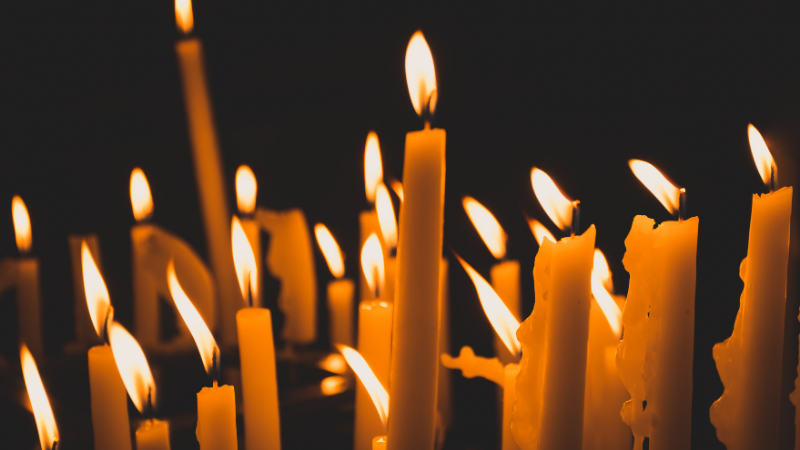
During Yom Kippur, it is customary to light Yahrzeit candles, also called soul candles, in memory of loved ones who have passed. The flame symbolizes the enduring presence of the soul.
Herbal Allies: While not as central to ritual as in some traditions, herbs such as frankincense (Boswellia spp.), myrrh (Commiphora myrrha), and rosemary may be used in incense or placed near candles to honor memory and create a sacred atmosphere (Hey Alma, 2022; Jewitches, n.d.).
All Saints’ & All Souls’ Days (Christian Tradition)
All Saints’ Day (November 1st) and All Souls’ Day (November 2nd) are observed in many countries with cemetery visits, candle lighting, and prayers for the departed.
Herbal Allies: Rosemary, thyme (Thymus vulgaris), and lavender (Lavandula spp.) have long been associated with remembrance and funerary rituals in Christian Europe (Patheos, 2020; Around the Year, n.d.).
Poland (and other Slavic countries)
Dziady (pronounced: ‘JAH-dyh’) is the holiday celebrated in Poland and other Slavic countries; it derives from Slavic folklore and is a time that celebrated the spirits of the ancestors with a collection of rites, celebrations, rituals, and customs that were dedicated to them. The essence of these rituals was the “communion of the living with the dead”, namely, the establishment of relationships with the souls of the ancestors, periodically returning to Earth.
Food would be left out for the spirits either in the home (to await the arrival of the spirits) or brought directly to the gravesites of the ancestors. Often some of the food and drink would be spilled out on the tables, floors, or gravesites for the spirits to easily consume. The food and drink was left undisturbed for the day, so that it would be accessible to the spirit visitors. Candles would also be lit at the gravesites of beloved ancestors, helping to light their way home.
Threads That Bind Us
Across these traditions, common threads emerge: fire and light to guide spirits, food and herbs as offerings, and stories as a bridge across generations. These rituals affirm that remembering our dead is not only about loss, but about belonging. Herbs act as both symbolic and tangible bridges — the fragrance, taste, and touch of these plants connecting us to those who came before.
Ways to Create Your Own Ancestor Ritual at Home
You don’t need an elaborate ceremony to honor your beloved dead. Small gestures, made with intention, carry deep meaning. Here are a few ways to weave remembrance into your daily life this season:
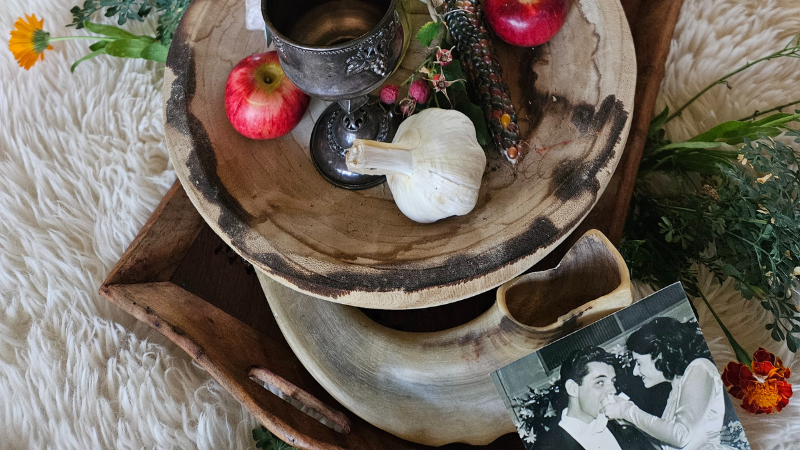
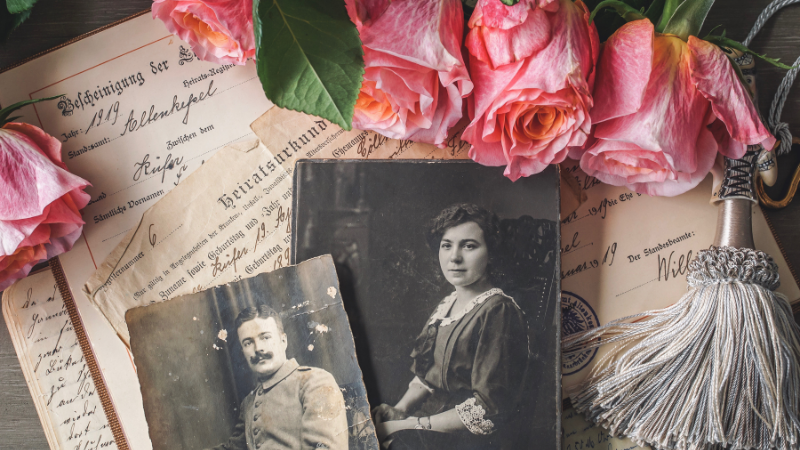
- Create a Simple Altar: Place a photo, heirloom, or memento of your loved one on a small table or shelf. Add a candle, flowers, or seasonal herbal offerings such as marigold, rosemary, or sage.
- Light a Candle: Dedicate a flame to an ancestor. You might place rosemary or a pinch of dried mugwort near the candle to enhance connection.
- Make Tea in Their Honor: Brew a cup of chamomile, tulsi, or green tea, inviting their memory into your heart as you sip.
- Cook a Favorite Dish: Preparing and sharing a food that your ancestor enjoyed becomes an offering in both taste and intention.
- Journal or Speak Aloud: Write a letter, record stories, or speak their name, allowing memory and gratitude to flow.
- Take a Nature Walk: Collect leaves, stones, or dried herbs and place them on your altar, returning them to the earth with thanks for the cycles of life and death.
Through these simple, intentional practices, we remember that death does not sever love — it transforms it. Each flame, each sip of tea, each whispered story becomes part of the larger tapestry of human remembrance.
May your rituals this season bring you peace, connection, and a sense of belonging to the great web of ancestors that holds us all.
References
- Architectural Digest. (n.d.). How Mexico City celebrates Día de los Muertos. Retrieved September 25, 2025, from https://www.architecturaldigest.com/story/how-mexico-city-celebrates-dia-de-los-muertos
- Around the Year. (n.d.). All Saints & All Souls. Retrieved September 25, 2025, from https://aroundtheyear.org/all-saints-all-souls/
- Botanical Interests. (n.d.). Día de los Muertos and marigolds. Retrieved September 25, 2025, from https://www.botanicalinterests.com/community/blog/dia-de-los-muertos-and-marigolds/
- Cohen, A. G. (2024, September 9). Yom Kippur cemetery/grave measuring and soul candle making: A ritual guide. Ritualwell. Retrieved September 25, 2025, from https://ritualwell.org/blog/yom-kippur-cemetery-grave-measuring-and-soul-candle-making-a-ritual-guide/
- Dipika.org.za. (n.d.). Additional sacred information on Pitr Paksha [PDF]. Retrieved September 25, 2025, from https://dipika.org.za/wp-content/uploads/2016/08/Additional-sacred-information-on-Pitr-Paksha-1.pdf
- Enkin, J. (n.d.). Soul candles. Ritualwell. Retrieved September 25, 2025, from https://ritualwell.org/ritual/soul-candles/
- Hey Alma. (2022, September 19). The witchy Yom Kippur candle ritual you’ve probably never heard of. Retrieved September 25, 2025, from https://www.heyalma.com/the-witchy-yom-kippur-candle-ritual-youve-probably-never-heard-of/
- Jewitches. (n.d.). Candles in Jewish magic. Retrieved September 25, 2025, from https://jewitches.com/blogs/blog/candles-in-jewish-magic
- Patheos. (2020, October 20). Rosemary for remembrance: Re-wilding All Souls’ Day (Part One). Retrieved September 25, 2025, from https://www.patheos.com/blogs/thespiralstrega/2020/10/rosemary-for-remembrance-re-wilding-all-souls-day-part-one/
- Tokyo Pony. (2023, August 11). Obon: How you can celebrate even if you’re not in Japan. Retrieved September 25, 2025, from https://tokyopony.com/index.php/2023/08/11/obon-how-you-can-celebrate-even-if-youre-not-in-japan/
- Times of India. (2024, September 1). Unlocking the sacred significance of Pind Daan and black sesame in Pitru Paksha 2024. Retrieved September 25, 2025, from https://timesofindia.indiatimes.com/life-style/food-news/unlocking-the-sacred-significance-of-pind-daan-and-black-sesame-in-pitra-paksha-2024/articleshow/113423975.cms
- “Dziady: The Slavic Celebration of the Dead.” Postcard Poland, https://postcardpoland.com/culture/dziady-the slavic-celebration-of-the-dead/. Accessed 22 Sept. 2026.
- “Dziady.” Wikipedia, Wikimedia Foundation, https://en.wikipedia.org/wiki/Dziady. Accessed 22 Sept. 2026.
- “HISTORY.” HISTORY, https://www.history.com/articles/samhain. Accessed 22 Sept. 2026.
- Brading, Tara. “Samhain Ritual Guidebook 2025”. The Celtic Roundhouse.
- Butters, Sara. “Samhain Rituals, Hawthorn, and the Thinning of the Veil.” Hawthorn & Honey, 26 Oct. 2022, https://www.hawthornandhoney.com/journal/samhain-rituals.
- Duff, Gail. “Seasons of the Witch: Celebrating the 8 Wiccan Festivals of the Year.” Ulysses Press, 2003.
- Gottfried Cohen, Annabel. “Pulling at Threads.” Pulling at Threads,, https://pullingatthreads.com/. Accessed 22 Sept. 2026.
- Hahn, Joe. “History of Fall Holidays: Samhain, Halloween, All Saints’ Day, All Souls’ Day, Día de los Muertos.” LinkedIn, 29 Oct. 2021, https://www.linkedin.com/pulse/history-fall-holidays-samhain-halloween-all-saints-day-joe-hahn.
- HISTORY.com Editors. “Halloween Timeline: How the Holiday Has Changed Over the Centuries.” HISTORY, 25 Oct. 2021, https://www.history.com/news/halloween-timeline.
- Kynes, Sandra. “A Year of Ritual: Sabbats & Esbats for Solitaries & Covens”. Llewellyn Publications, 2004.
- Lerman, Noam. “Der Tkhines Proyekt.” Der Tkhines Proyekt, https://www.spontaneousprayer.com/. Accessed 22 Sept. 2026.
- Mickiewicz, Adam. “The Polish Halloween: All You Need to Know About Dziady.” Culture.pl, Adam Mickiewicz Institute, https://culture.pl/en/article/the-polish-halloween-all-you-need-to-know-about-dziady. Accessed 22 Sept. 2026.
- Ray, Reginald A.“The Anatomy of a Common Tibetan Ritual: The Lhasang.” Shambhala Publication,, 31 Jan. 2018, https://www.shambhala.com/anatomy-common-tibetan-ritual-excerpt-indestructible-truth/.
- Vedovelli, Clara. “Ognissanti and Giorno dei Morti. How Do Italians Celebrate in 2021?” Italian Language Foundation, 1 Nov. 2021, https://italianlanguagefoundation.org/web/ognissanti-giorno-dei-morti/.
Browse by category
- Aphrodisiacs
- Aromatherapy
- Astrology & Magic
- Ayurdeva
- Botany Foraging & Gardening
- Chakras
- Digestion
- Earth Connection
- Energetics
- Flower & Gem Essences
- Folk Traditions
- Herbalism & Holistic Health
- Immune Support
- Materia Medica
- Mushrooms
- Nutrition
- Seasonal Living: Autumn
- Seasonal Living: Moon Cycle
- Seasonal Living: Spring
- Seasonal Living: Summer
- Seasonal Living: Winter
- Skin & Body Care
Don’t Miss a Thing!
Enter your email below to be the first to know about sales, new products and tips for taking care of your pieces.