
Winter arrives quietly.
It comes not with the blaze of summer or the quickening breath of spring, but through stillness—through longer nights, softened light, and the invitation to turn inward. In the language of herbal energetics, winter is cool and moist, a season governed by Water, by depth, by the hidden places beneath the surface.
In the elemental wheel, winter lives in the North, “the hidden place.” It is the realm of rest, gestation, and the unseen work of becoming. Here we meet the waters of the body and soul: the kidneys, the reproductive organs, the deep nervous system, the emotional undercurrents that move quietly beneath our days.
And yet—within winter’s waters, fire must be carefully tended.
Not the roaring fire of summer’s South, but the steady hearth flame that keeps us alive through the long cold. This is the fire that warms digestion, keeps circulation moving, supports immunity, and nourishes the inner spark when the world grows dim.
Winter Energetics: Cool, Moist, and Inward
Winter’s dominant qualities—cool and moist—slow us down. Metabolism softens. Circulation moves inward. Skin dries as moisture is conserved deeper in the body. Emotionally, winter can feel introspective, sometimes heavy, sometimes deeply restorative.
In elemental terms, winter corresponds with:
- Outer Element: Water
- Inner Element: Fire
- Direction: North — the hidden place
- Moon: Dark Moon
- Stage of Life: Elder Years
- World: the world of feeling
- Soul Aspect: the emotional soul
- Archangel: Gabriel
- Quality: Cool | Moist
This is a season where fire retreats inward, resting in the core. If that fire becomes too weak, we may feel cold to the bone, sluggish, foggy, prone to damp stagnation, low immunity, or emotional heaviness.
Herbalism teaches us not to overpower winter, but to balance it gently—to warm without drying, to stimulate without scattering, to kindle without burning out.
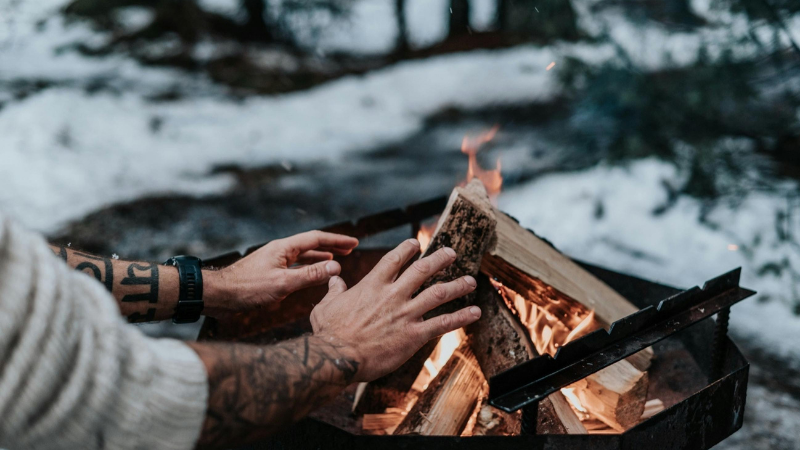
Fire in the Winter Body
Fire herbs are those that bring warmth, movement, and activation. They support digestion, circulation, immunity, and metabolic fire. In winter, we choose fire herbs with discernment—often favoring those that are warming and aromatic, rather than aggressively hot and drying.
Think embers, not bonfires.
These herbs act as allies to the inner flame—the Nefesh, the soul of the physical body—helping us stay rooted and vital as we journey through the hidden season.
Fire-Associated Herbs for Winter Warming
Ginger (Zingiber officinale)
Ginger is a beloved winter companion—warming, circulatory, and gently stimulating. It moves cold from the periphery back toward the core, supporting digestion and immune response while easing stagnation.
Energetically, ginger reminds us that warmth can be comforting, not forceful. A cup of ginger tea is like being wrapped in a wool blanket from the inside out.
Best for: Cold hands and feet, sluggish digestion, early signs of illness, winter chills.
Cinnamon (Cinnamomum spp.)
Cinnamon carries the signature of sacred fire—sweet, spicy, and deeply warming. It supports circulation and blood sugar balance, while offering an emotional quality of comfort and safety.
In many traditions, cinnamon is associated with protection and hearth magic, making it a beautiful winter ally when the nights are long.
Best for: Coldness, fatigue, emotional heaviness, winter melancholy.
- Cinnamon powder
- Cinnamon chips (great for simmering teas)
- Cinnamon Essential Oil
Cardamom (Elettaria cardamomum)
Aromatic and warming without being overwhelming, cardamom bridges fire and air. It warms digestion, lifts the spirits, and gently dispels dampness without drying the tissues.
Cardamom teaches us that warmth can be uplifting, not just grounding—a spark of brightness in winter’s quiet.
Best for: Digestive sluggishness, heaviness after meals, emotional stagnation.
Rosemary (Rosmarinus officinalis)
Though often associated with the sunlit Mediterranean, rosemary shines in winter as a circulatory and cognitive fire herb. It brings warmth to the head and heart, supporting memory, focus, and emotional resilience during darker months.
Rosemary carries the energy of remembrance—of staying connected to our inner light when the outer world grows dim.
Best for: Brain fog, low mood, poor circulation, winter fatigue.
Clove (Syzygium aromaticum)
Clove is potent fire—hot, aromatic, and deeply warming. Used sparingly, it can be a powerful ally for immune support and digestive fire.
Clove reminds us that winter fire is precious; a little goes a long way.
Best for: Acute cold conditions, immune support, deep chill.
St. John’s Wort (Hypericum perforatum)
This herb is known to bloom at the same time as the summer solstice, its bright yellow flowers resembling small little burning campfires. The flowers when crushed also release a deep red substance known as hypericin, which is responsible for the rich, vibrant color St. John’s Wort oil is known for. This herb is an ally for helping us stoke our inner fire, when we may feel worn down or need our spirit activated. Many herbs that have an affinity for the sun also have properties that help protect against damage caused by the sun through burns, and St. John’s Wort is an incredible support for this purpose.
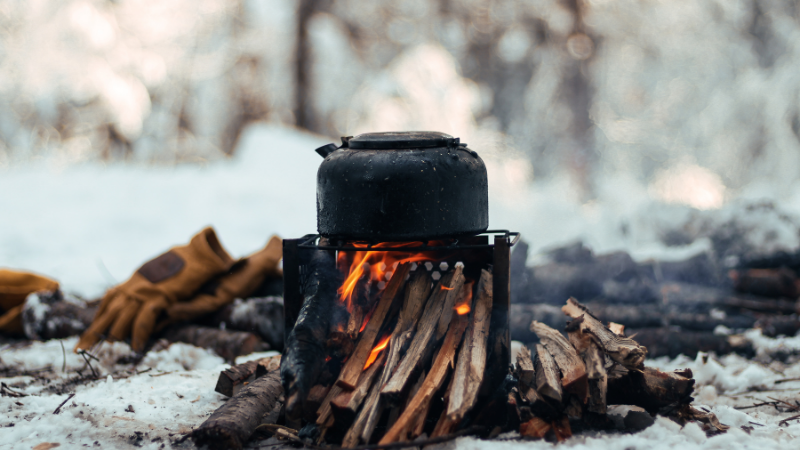
Working with Fire in Winter
Winter invites ritual that is simple, intentional, and grounding.
- Sip warming teas slowly, with awareness.
- Add fire herbs to food as nourishment, not medicine alone.
- Light candles at dusk, honoring the returning light.
- Place a hand on the belly or heart and breathe warmth inward.
In the language of the elements, winter is not an absence of fire—it is fire held within, protected and conserved.
To listen.
To warm gently.
To trust the unseen work happening beneath the surface.
Because beneath the cold soil, beneath the quiet waters, the spark remains.
And when the time is right, it will rise again.
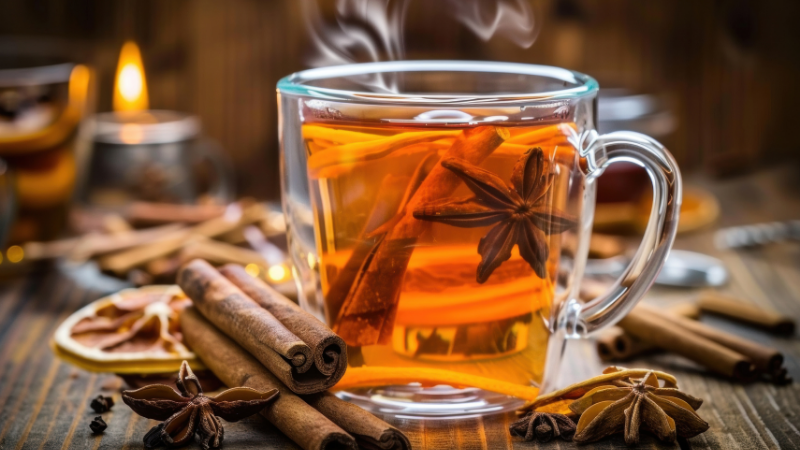
A Simple Winter Fire Tea Ritual
As the light fades early and the cold settles in, this tea can become a small, steady anchor at day’s end.
Winter Fire Tea
- 1 tsp dried ginger root
- ½ tsp cinnamon chips
- 3 cardamom pods, gently crushed
- Optional: a pinch of clove (a little goes a long way)
Simmer herbs gently in water for 10–15 minutes. Strain, sweeten lightly with honey if desired, and sip slowly.
As you drink, place one hand over your belly or heart. With each breath, imagine warmth gathering in your center—an ember glowing steadily, not rushing, not fading. Let this fire remind you that rest and vitality can coexist.
This is winter medicine: warmth held with care.
Browse by category
- Aphrodisiacs
- Aromatherapy
- Astrology & Magic
- Ayurdeva
- Botany Foraging & Gardening
- Chakras
- Digestion
- Earth Connection
- Energetics
- Flower & Gem Essences
- Folk Traditions
- Herbalism & Holistic Health
- Immune Support
- Materia Medica
- Mushrooms
- Nutrition
- Seasonal Living: Autumn
- Seasonal Living: Moon Cycle
- Seasonal Living: Spring
- Seasonal Living: Summer
- Seasonal Living: Winter
- Skin & Body Care
Don’t Miss a Thing!
Enter your email below to be the first to know about sales, new products and tips for taking care of your pieces.